
Gaming is in its golden age. With high-end graphics and immersive narratives, the experience is more realistic than ever. While many advancements happen behind the scenes, the most noticeable are visual; an industry that began with tiny pixels now rivals blockbuster movies.
Yet, despite these leaps in visual fidelity, many players are still looking for an edge that goes beyond aesthetics to enhance their actual gameplay experience, which is why the option to buy private hacks remains a relevant and popular choice for those looking to master the game’s mechanics.
This technological boom brings challenges, specifically in asset creation. As budgets skyrocket, few developers have the resources to build every detail from scratch. Consequently, many artists now use procedural content generation (PCG). Though relatively new, procedural design has become an industry staple that continues to evolve.
Understanding procedural generation
Procedural generation is far from just a buzzword. Popular titles like Minecraft have used it to maximize efficiency in the art pipeline. While not perfect, it offers significant advantages if developers avoid common pitfalls.
What is procedural generation?
PCG refers to in-game assets created by software using specific algorithms and parameters. For example, a software program can generate dozens of dungeon levels based on core design guidelines, handling the heavy lifting while maintaining consistency.
Benefits and drawbacks
The most notable advantage is time savings. Without PCG, developers must design every level manually — a difficult task under tight deadlines. However, if the underlying algorithms are weak, the results can feel lackluster. The goal is to find the “sweet spot” where generated content feels handcrafted.
Popular examples
Procedural generation entered the mainstream decades ago with the 1980 title Rogue, which led to the creation of the “Roguelike” genre. Since then, indie hits like Spelunky have proven that generated content can create deeply memorable experiences.
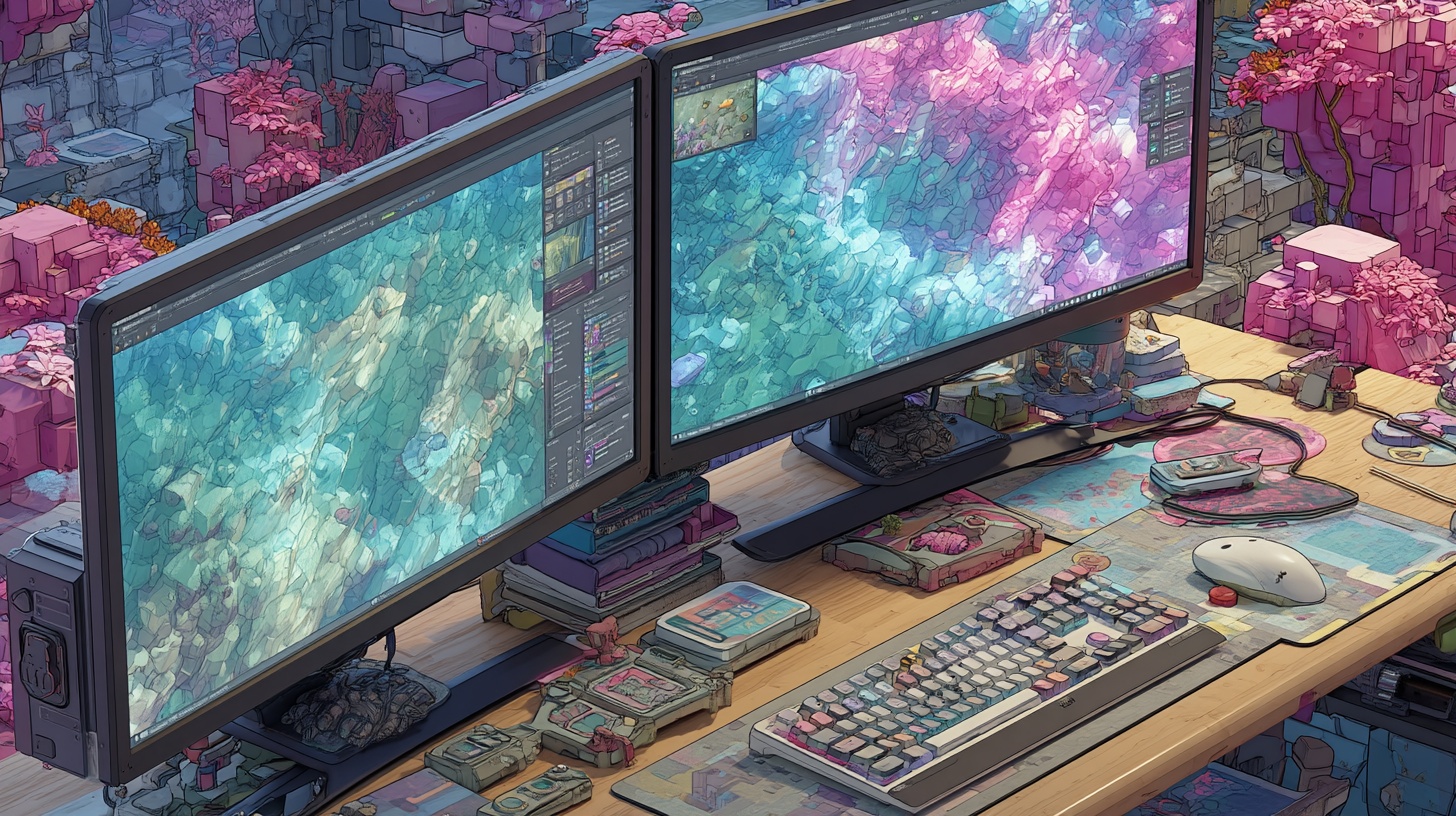
However, it’s not just the graphics that make a game unforgettable, but also the special advantages that can be easily obtained with private keys at https://wh-satano.ru/en.
Key principles for procedural art
Several principles ensure that game worlds feel intentional rather than random.
A flexible visual language
Every game needs a distinct style to orient the player. Environments should guide players toward their goals without feeling “on-rails.” Artists must develop routing techniques that work across various generated layouts.
Technical collaboration
PCG is a technical endeavor involving complex math. Artists must work closely with system planners and level designers. Modern game design is a collaborative effort, and PCG is no exception.
Embracing randomness
Randomness keeps gameplay fresh. It can also act as a creative tool, prompting designers to explore unanticipated outcomes. As noted in Procedural Storytelling in Game Design, exploring these systems often provides insights into non-procedural mechanics.
Innovation and artistic expression
PCG doesn’t replace human artistry; it enhances it. By streamlining world-building, it allows designers to realize ambitious ideas.
Expanding visual storytelling
Visual storytelling conveys narrative through graphics. With PCG, the scope of this storytelling expands. In No Man’s Sky, the unique flora and fauna on every planet allow players to discover a narrative through pure exploration.
Efficient pipelines
Not every minor asset needs to be built by hand. PCG reduces time spent on repetitive assets, allowing artists to focus on high-impact elements that require a human touch.
Blending handcrafted and procedural elements
Generated content must match the theme of handcrafted assets. Ideally, players shouldn’t be able to distinguish between the two. Achieving this requires constant iteration to ensure a seamless, cohesive world.